
The Case Against Fast Furniture: Why Shoppers Are Going Back to Made-to-Order
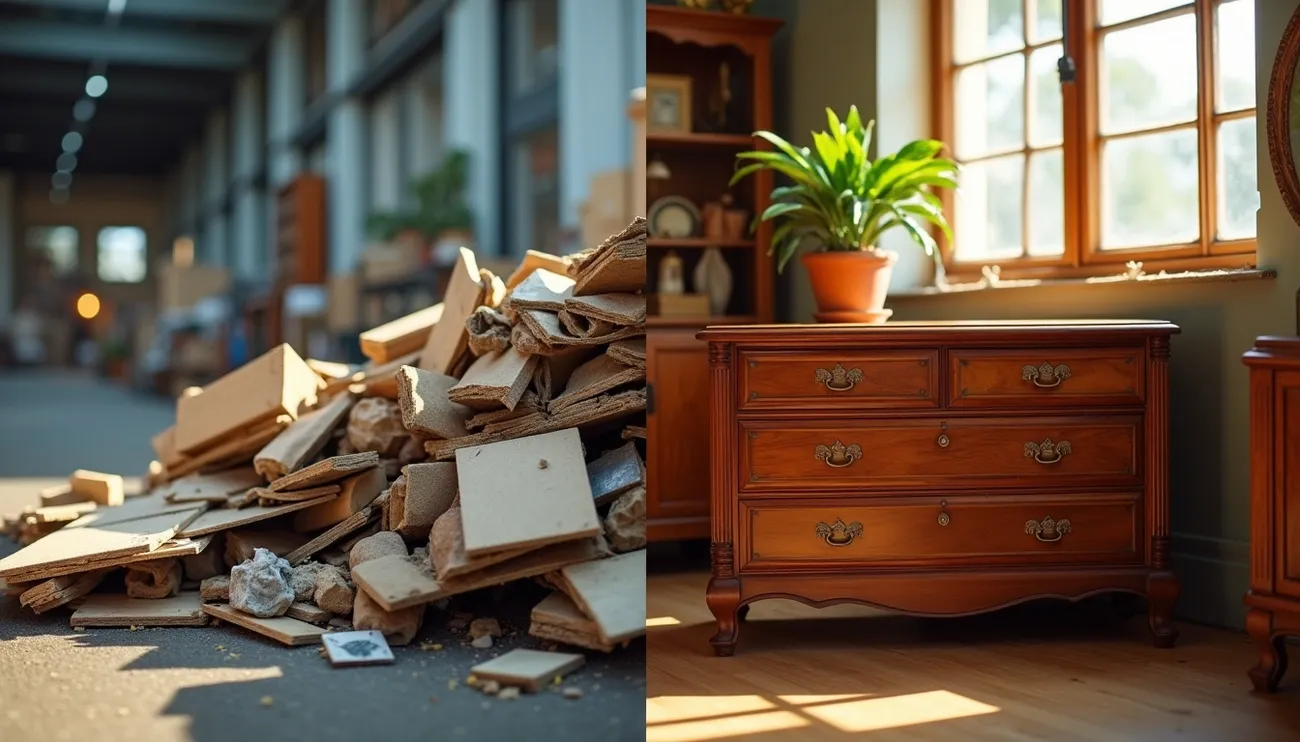
There’s a moment most people recognize in hindsight: the sofa that started sagging after eighteen months, the bookcase that couldn’t survive a move, the dining chairs that wobbled by year two. For a generation of shoppers who built their first homes around flat-pack everything, that moment is arriving — and it’s changing how they think about buying furniture.
A quiet but meaningful shift is underway in the home furnishings market. After years of prioritizing speed and price, more consumers are slowing down and asking a question the industry had nearly forgotten: what is this actually made of, and how long will it last?
The Fast Furniture Problem
The term “fast furniture” — borrowed deliberately from fast fashion — has entered the design conversation with growing frequency. It describes the mass-produced, disposable end of the market: pieces engineered to look good in a product photo, priced to sell quickly, and built with materials that rarely survive a decade of real use.
The environmental cost is significant. Furniture is one of the largest contributors to landfill waste in the United States, with millions of tons discarded annually. Much of it is particle board and synthetic fabric that cannot be repaired, reupholstered, or meaningfully recycled. When a piece breaks, replacement is almost always cheaper than repair — which is exactly how the business model was designed.
But the financial calculation is shifting. Shoppers who have replaced a $600 sofa twice in eight years are beginning to do the math against a $2,000 piece built to last thirty. The upfront cost looks different when divided across decades rather than seasons.
Why Made-to-Order Is Having a Moment
Made-to-order furniture operates on a fundamentally different model. Rather than producing thousands of identical units in advance and warehousing them, manufacturers build each piece after it’s sold — to the buyer’s chosen fabric, configuration, and finish. The wait time is longer (typically eight to sixteen weeks), but the result is a piece that fits the buyer’s space and taste precisely, constructed with materials selected for longevity rather than margin.
This model never disappeared, but it was largely overshadowed during the e-commerce boom, when speed became the dominant selling point and “in stock, ships tomorrow” won more conversions than “built to your specifications.” What’s changed is the buyer. Post-pandemic home investment, rising awareness of furniture waste, and a broader cultural appetite for things that are made rather than manufactured have created a more receptive audience for the slower, more deliberate approach.
For those exploring this category, made-to-order upholstery from legacy American manufacturers represents the clearest entry point — brands that have built their reputations on construction quality, deep fabric libraries, and the kind of customization that big-box retail structurally cannot offer.
What to Look for When Buying to Last
Not everything marketed as “quality” furniture earns the label. A few construction details separate genuinely durable upholstered pieces from those that merely look the part.
Frame material. Kiln-dried hardwood frames resist warping and cracking over time. Avoid frames described vaguely as “engineered wood” or “composite” — these are typically particle board, which weakens with humidity and repeated stress.
Suspension system. Eight-way hand-tied coil springs are the benchmark for seat support and longevity. Sinuous wire springs are common in mid-range pieces and acceptable, but they wear faster. Avoid anything relying entirely on foam blocks for structural support.
Fabric grade. Performance fabrics rated for 100,000 or more double rub cycles will outlast standard decorative fabrics by years, particularly in high-use rooms. Many made-to-order manufacturers offer these as standard options rather than expensive upgrades.
Cushion fill. Down-wrapped foam offers the best balance of comfort and longevity. Pure down is luxurious but requires regular maintenance; foam-only cushions are easier to care for but compress permanently over time.
The Longer View
There’s something worth acknowledging in the made-to-order conversation that goes beyond the financial or environmental case: the way a piece feels when you know it was built specifically for you. The fabric chosen, the configuration mapped to your room, the wait that made delivery feel like something worth anticipating. That experience is genuinely different from pulling something off a warehouse shelf.
Fast furniture solved a real problem — accessibility for first homes and transitional living situations. It will always have a place in the market. But for buyers who have moved past that phase and are ready to furnish more deliberately, the made-to-order model offers something the fast alternative never could: furniture that was never meant to be replaced.


